
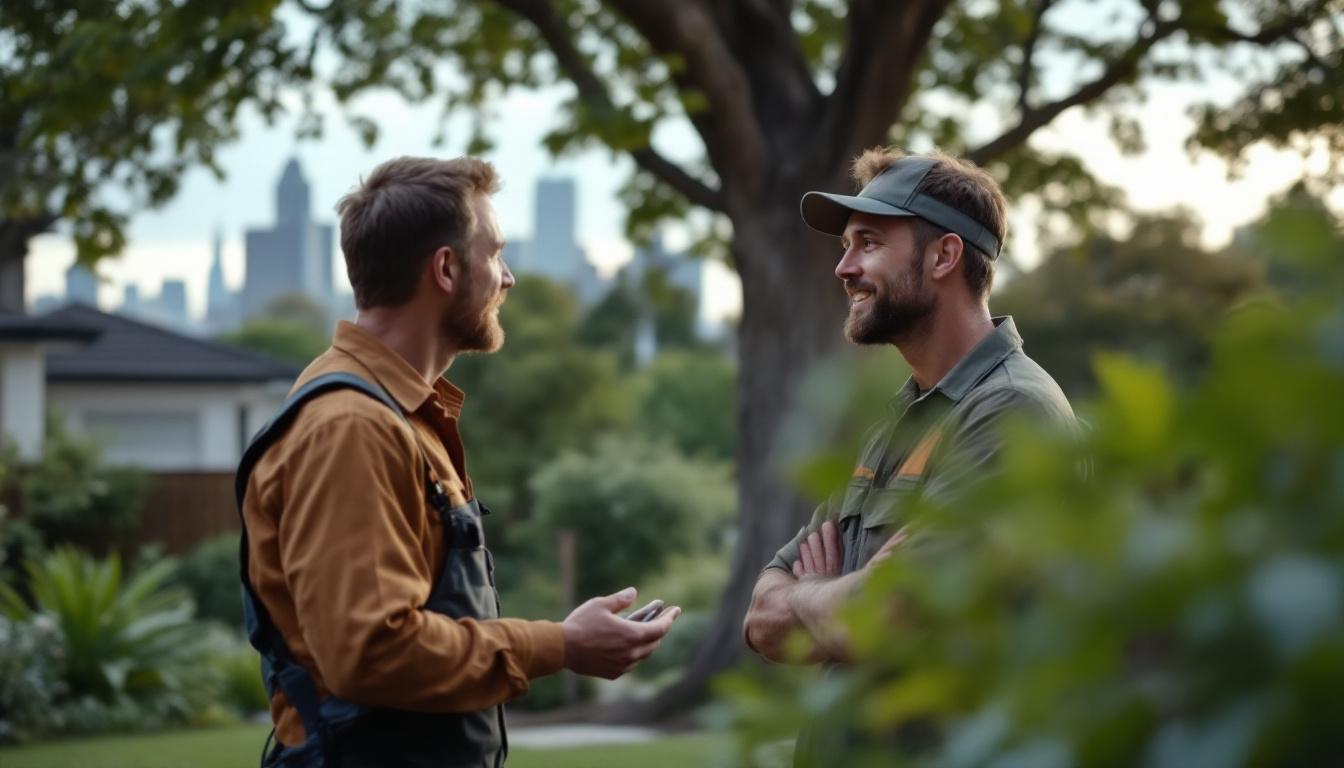
Arborist Sydney vs DIY Tree Care: What’s the Safer, Smarter Choice?
As a homeowner in Sydney, you may find yourself facing an important decision when it comes to taking care of your trees: should you handle the task yourself or hire a professional arborist? This decision goes beyond just considering convenience or cost.
The choice between Arborist Sydney services and DIY tree care involves crucial factors such as safety, legal requirements, and the long-term well-being of the trees on your property. Professional arborists possess specialized training, use high-quality equipment, and have a thorough understanding of local laws that govern tree care. On the other hand, while DIY tree care may seem like a cost-effective option, it can often put property owners at risk in ways they may not expect.
The consequences of making the wrong choice can be significant. Improper pruning methods can permanently harm the structure of your trees. Falling branches pose a threat of serious injury. Failure to comply with Tree Preservation Orders can lead to hefty fines. In this article, we will explore why the decision between Arborist Sydney services and DIY tree care is not solely about saving money—it’s also about making the safer choice for tree care that safeguards both your property and your peace of mind.
What Are the Key Differences Between Arborist Services and DIY Tree Care?
Arborist services are comprehensive tree management services provided by certified professionals who are trained in arboriculture, tree biology, and safety protocols. These experts assess the health of trees, evaluate potential risks, and carry out specialized tasks such as crown thinning, structural pruning, and hazardous tree removal using industry-grade equipment.
DIY tree care usually involves homeowners performing basic tasks such as lightly trimming small branches, watering, mulching, and removing minor deadwood using household tools like hand saws, pruning shears, and ladders. The work is limited to what can be done from the ground and involves simple maintenance activities.
1. Professional Expertise
The difference in professional expertise is significant. Arborists undergo formal training in understanding how trees function, identifying diseases, and applying proper cutting techniques for different species. They have knowledge of growth patterns, seasonal factors, and structural mechanics that can prevent long-term damage. On the other hand, DIY practitioners rely on general knowledge they may have acquired or information from online tutorials or guesswork.
2. Equipment Used
Another important distinction lies in the equipment being used:
- Professional: Hydraulic lifts for reaching high branches, chainsaws with safety features for efficient cutting, rigging systems for controlling falling limbs, wood chippers for disposing of debris, stump grinders for removing tree stumps
- DIY: Basic hand tools such as pruners and saws, consumer-grade pole saws for reaching higher branches, standard ladders for accessing elevated areas
3. Techniques Employed
The techniques employed by arborists and those used in DIY methods also differ:
- Arborists use advanced techniques like directional felling (controlling the direction a tree falls), cabling and bracing systems (providing support to weak or damaged branches), and precision cuts that promote healing.
- DIY methods often involve flush cuts (cutting flush against the trunk) or improper angles that create entry points for disease and decay, which can compromise the vitality and structural integrity of trees.
By understanding these key differences between arborist services and DIY tree care approaches you can make informed decisions about how best to manage your trees based on their specific needs.
Why Is Safety a Major Concern in Tree Care?
Safety is a crucial aspect of tree care that distinguishes professionals from amateurs. When it comes to working with trees, there are inherent dangers involved, especially when working at heights with sharp tools and near power lines. These hazards can be life-threatening and require specific training and protective gear to mitigate.
Common risks during tree pruning and removal include:
- Falling branches weighing hundreds of kilograms that can cause severe injuries or fatalities
- Chainsaw kickback and blade contact leading to deep lacerations
- Ladder instability on uneven ground resulting in falls from dangerous heights
- Contact with overhead power lines causing electrocution
- Struck-by hazards from dropped tools or equipment
- Eye injuries from flying wood chips and debris
The dangers increase significantly when these tasks are not performed correctly. Homeowners who attempt to remove trees themselves often miscalculate how heavy branches will be and this can lead to unpredictable falls that damage roofs, vehicles, or neighboring properties. Using a chainsaw incorrectly can cause the blade to bind or kick back towards the person’s face and chest.
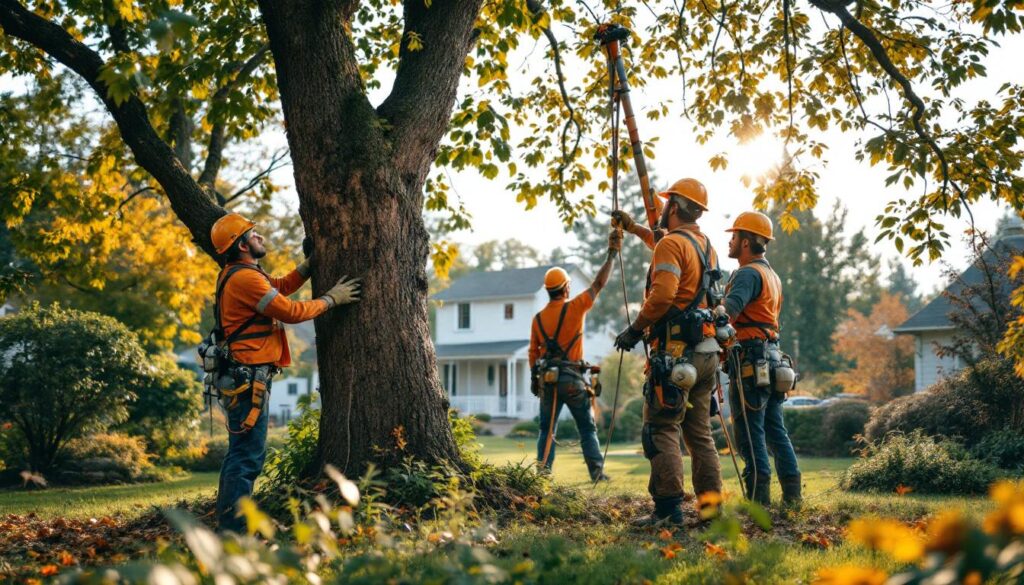
Trained arborists reduce the risks associated with their equipment by following specific protocols for assessing potential dangers before starting any job. They use proper rigging systems to control how branches fall, wear safety harnesses that have been certified when climbing, and make sure that areas below where they are working are clear of any obstacles. Their knowledge of how trees function allows them to accurately predict how limbs will move when cut, preventing the dangerous surprises that often injure untrained individuals attempting similar work.
To further ensure safety during tree care, it’s essential to follow comprehensive safety guidelines such as those outlined in this Tree Work Safety Guide.
How Do Arborists Ensure Legal Compliance in Sydney?
Professional arborists navigate complex Sydney regulations that govern tree removal, pruning, and alteration, protecting property owners from substantial fines and legal complications. Tree Preservation Orders (TPOs) designate specific trees or entire areas where trees cannot be removed or significantly altered without council approval, with penalties reaching thousands of dollars for violations.
Sydney’s local councils enforce strict tree protection laws requiring development applications before work begins on protected trees. These regulations consider factors including:
- Tree species and heritage significance
- Location within conservation areas
- Diameter measurements at specific heights
- Proximity to property boundaries
- Environmental and aesthetic value to the community
Certified arborists maintain current knowledge of regulations across different Sydney council areas, each with unique requirements. They conduct thorough assessments to determine whether proposed work requires council approval, prepare necessary documentation, and submit applications on behalf of property owners.
The difference between Arborist Sydney vs DIY Tree Care: What’s the Safer, Smarter Choice becomes particularly evident in legal matters. DIY enthusiasts often remain unaware of TPOs affecting their property or misunderstand exemption criteria. Arborists identify protected trees before work commences, advise on compliant alternatives when removal isn’t permitted, and document tree conditions to support applications.
Professional arborists also understand exemptions for dead, diseased, or dangerous trees, providing expert reports that satisfy council requirements. This specialized knowledge prevents costly mistakes that could halt property development projects or result in prosecution.
How Does Professional Tree Pruning Benefit Tree Health Compared to DIY Methods?
Professional pruning benefits come from arborists’ ability to choose and apply specific techniques based on each tree’s species, age, and condition. Certified tree care specialists carry out targeted actions that DIY enthusiasts usually cannot do safely or effectively.
Specialized pruning techniques arborists use include:
- Crown thinning – This selective removal of branches reduces density while maintaining the tree’s natural shape, allowing better light penetration and air movement through the canopy.
- Deadwooding – The removal of dead, dying, or diseased branches that pose safety risks and drain the tree’s resources.
- Crown lifting – Raising the lower canopy by removing lower branches to provide clearance for pedestrians, vehicles, or structures.
- Crown reduction – Decreasing overall tree size while preserving its structural integrity and aesthetic form.
- Formative pruning – Shaping young trees to develop strong branch architecture and prevent future problems.
These professional pruning benefits directly lead to tree health improvement, such as better air circulation that reduces fungal diseases, improved sunlight distribution for photosynthesis, and stronger structural integrity that can withstand Sydney’s storms.
Conversely, untrained homeowners often make harmful cuts—such as topping trees, removing too much foliage at once, or cutting at incorrect angles. These mistakes create entry points for pathogens, weaken branch attachments, and trigger stress responses that harm long-term vitality. Poor timing of pruning can also leave trees vulnerable during critical growth periods.
In summary, while DIY methods may seem cost-effective or convenient, they often lack the precision and understanding of tree biology that professional arborists possess. Therefore, it’s recommended to seek expert help for tasks like street tree planting or any significant tree care activities.
How Do Arborists Address Environmental Concerns During Tree Care?
Professional arborists practice environmental stewardship by conducting thorough assessments before any tree work begins. They identify nesting birds, possums, and other wildlife that may inhabit the tree, scheduling work outside breeding seasons when possible or implementing protective measures to avoid disturbing habitats.
Wildlife protection extends beyond the immediate work site. Arborists preserve hollow branches that serve as homes for native fauna, retain sections of deadwood where ecologically appropriate, and create habitat logs from removed material rather than simply disposing of everything as waste.
Soil stability remains a priority throughout tree care operations. Certified professionals:
- Use ground protection mats to prevent soil compaction from heavy equipment
- Avoid damaging root systems that anchor soil and prevent erosion
- Implement proper mulching techniques that support soil health
- Plan access routes that minimize disturbance to surrounding vegetation
Sustainable tree management includes responsible disposal of green waste through chipping and composting rather than sending material to landfill. Arborists also consider the broader ecosystem, maintaining canopy connectivity for wildlife movement and preserving trees that provide essential food sources.
DIY tree care often overlooks these considerations. Homeowners may unknowingly destroy wildlife habitats, compact soil with improper equipment use, or create erosion problems by removing trees without understanding their role in landscape stability. The environmental cost of uninformed tree work can take years to reverse.
What Services Do Certified Arborists Offer That DIY Can’t?
Certified arborists offer a range of specialized services that go beyond what homeowners can do on their own.
1. Stump Grinding
Stump grinding involves using heavy machinery to remove tree stumps, which are often unsightly and can hinder the growth of other plants. This process not only eliminates trip hazards but also creates space in the garden that can be used for other purposes.
2. Emergency Tree Removal
In case of storms or hazardous situations, certified arborists provide emergency tree removal services. They have trained crews and powerful equipment to safely remove fallen trees and prevent further damage to properties.
3. Maintenance Plans
Certified arborists offer maintenance plans that include regular inspections and preventive care for trees. These plans help identify potential issues such as diseases or pest infestations early on, preventing them from becoming expensive emergencies later.
4. Professional Post-Care Clean-Up
After any tree work is done, certified arborists ensure thorough clean-up by removing debris, mulching, and restoring the site. This level of post-care is rarely achieved through DIY efforts.
5. Public Liability Insurance
One thing that DIY approaches cannot provide is public liability insurance. Certified arborists have this coverage in case of any property damage or personal injury during their work. It protects homeowners from financial liability and gives them peace of mind that DIY tree care cannot offer. In fact, it’s important to understand the misconceptions about property insurance coverage for trees on houses, as this could lead to unexpected costs for homeowners.
6. Expert Consultation Services
Professional arborists also offer consultation services where they assess the health of trees, analyze soil conditions, and create treatment plans specific to different tree species. This expertise comes from years of training and certification that cannot be replicated by weekend projects. For instance, they can provide valuable insights during public hearings regarding tree removals, ensuring that all necessary regulations are followed.
Why Hiring an Arborist Is the Safer and Smarter Choice Overall
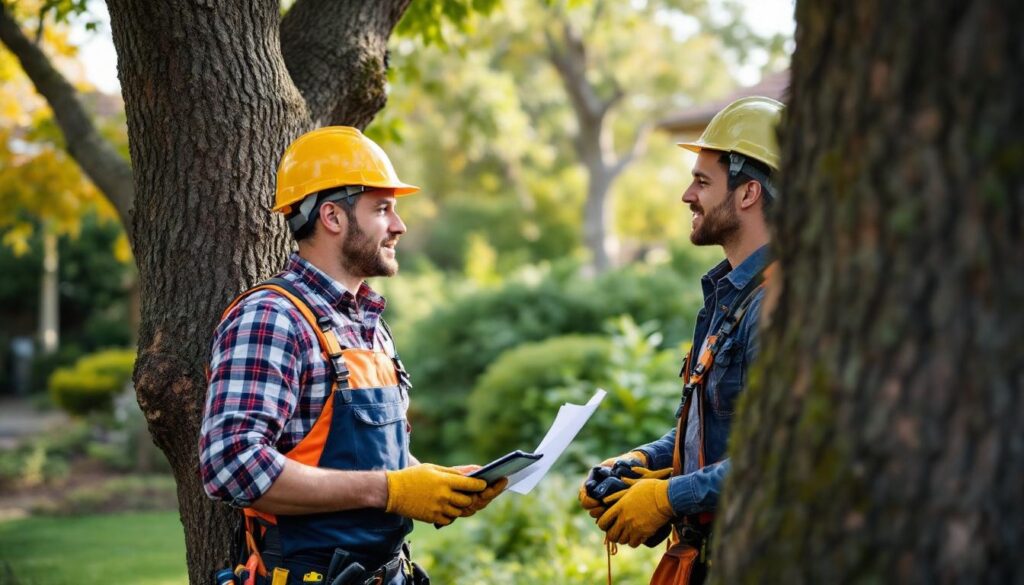
Professional arborists combine expert knowledge of tree biology with mastery of safety protocols that DIY enthusiasts simply cannot replicate. Their training in climbing techniques, rigging systems, and hazard assessment transforms dangerous tree work into controlled, predictable operations.
Risk reduction extends beyond personal safety. Arborists identify structural weaknesses, pest infestations, and disease symptoms invisible to untrained eyes, preventing future emergencies before they develop. DIY approaches often miss these warning signs, leading to costly property damage or tree failure during storms.
The long-term benefits justify professional investment:
- Trees receive species-appropriate care that extends their lifespan by decades
- Property safety improves through systematic hazard elimination
- Insurance coverage protects homeowners from liability claims
- Regular monitoring catches problems early when solutions remain affordable
DIY limitations become apparent when facing complex scenarios—large trees near structures, diseased specimens requiring specialized treatment, or legally protected trees demanding permit compliance. Arborists navigate these challenges routinely, delivering results that preserve both tree vitality and homeowner peace of mind for years ahead.
Conclusion
Arborist Sydney vs DIY Tree Care: What’s the Safer, Smarter Choice? The evidence points clearly toward professional expertise. When your property’s safety, legal compliance, and tree health are at stake, the advantages of hiring a professional arborist become undeniable—from specialized training and proper equipment to comprehensive insurance coverage and environmental responsibility.
Making the smart tree care choice means knowing when to bring in an expert. Sydney’s trees deserve care that ensures their long-term health while also protecting your property and family. Before attempting any tree work yourself, ask yourself if the potential risks of DIY are worth more than the benefits of hiring a professional arborist. Your trees—and your peace of mind—will be grateful.
Related : What Does a Qualified Arborist Actually Do? A Homeowner’s Guide to Tree Safety